Quick answer: Yes—plan four nights in Tokyo, three in Kyoto, one hotel change and a deliberately light transfer day. For this version, compare flights arriving in Tokyo and departing from Kansai rather than automatically returning to Tokyo. Choose Tokyo-only if you want more unplanned time or cannot comfortably fund the intercity journey.
Budget benchmark: Two regular-season, ordinary-class reserved Nozomi seats from Tokyo to Kyoto total JPY 27,940 through smartEX, before local station connections. Prices and planning information were checked on November 29, 2026; your travel date and ticket conditions determine the final fare. (smart-ex.jp)
1. Count usable days—not just seven hotel nights
Use the following assumptions to compare the routes fairly:
- Two adults sharing one room.
- Seven hotel nights across eight calendar days.
- Arrival day and departure day are not treated as full sightseeing days.
- Tokyo-only means one hotel for seven nights.
- The split means four Tokyo nights followed by three Kyoto nights.
- International flights, shopping and travel insurance are compared separately.
That leaves six days between arrival and departure. In the split itinerary, one becomes the hotel-to-hotel transfer day. Plan around three full Tokyo days, two full Kyoto days and a light arrival afternoon in Kyoto, rather than six packed sightseeing days.
Before booking, write down your actual flight times. If arrival is late, delete the arrival-day walk. If departure is early, delete departure-day sightseeing. Do not make the itinerary balance by assuming unusually quick airport formalities.
My suggested limit is one main sightseeing area each morning, one optional afternoon activity and a protected rest period. Treat this as a planning rule, not a claim about how quickly everyone travels.
2. Compare the two routes day by day
The schedules below are suggested activity blocks, not reservations or guaranteed journey times. Move activities to suit closures, weather and your energy.
| Day | Seven nights in Tokyo | Four Tokyo nights + three Kyoto nights |
|---|---|---|
| 1: Arrival | Transfer to hotel; eat nearby; optional short walk. Tokyo night 1. | Same gentle arrival plan. Tokyo night 1. |
| 2: Eastern Tokyo | Asakusa in the morning; lunch; rest; optional riverside walk. Tokyo night 2. | Same plan. Tokyo night 2. |
| 3: Western Tokyo | Shinjuku Gyoen; lunch; hotel break; optional Shinjuku evening. Tokyo night 3. | Same plan. Tokyo night 3. |
| 4: Flexible Tokyo day | Choose one neighbourhood or a preselected attraction; leave the evening open. Tokyo night 4. | Same, but finish early enough to pack. Tokyo night 4. |
| 5: The key difference | A second interest-led Tokyo day, with no packing or hotel change. Tokyo night 5. | Check out; take the Shinkansen; leave bags at the Kyoto hotel if agreed; lunch and rest; short nearby walk. Kyoto night 1. |
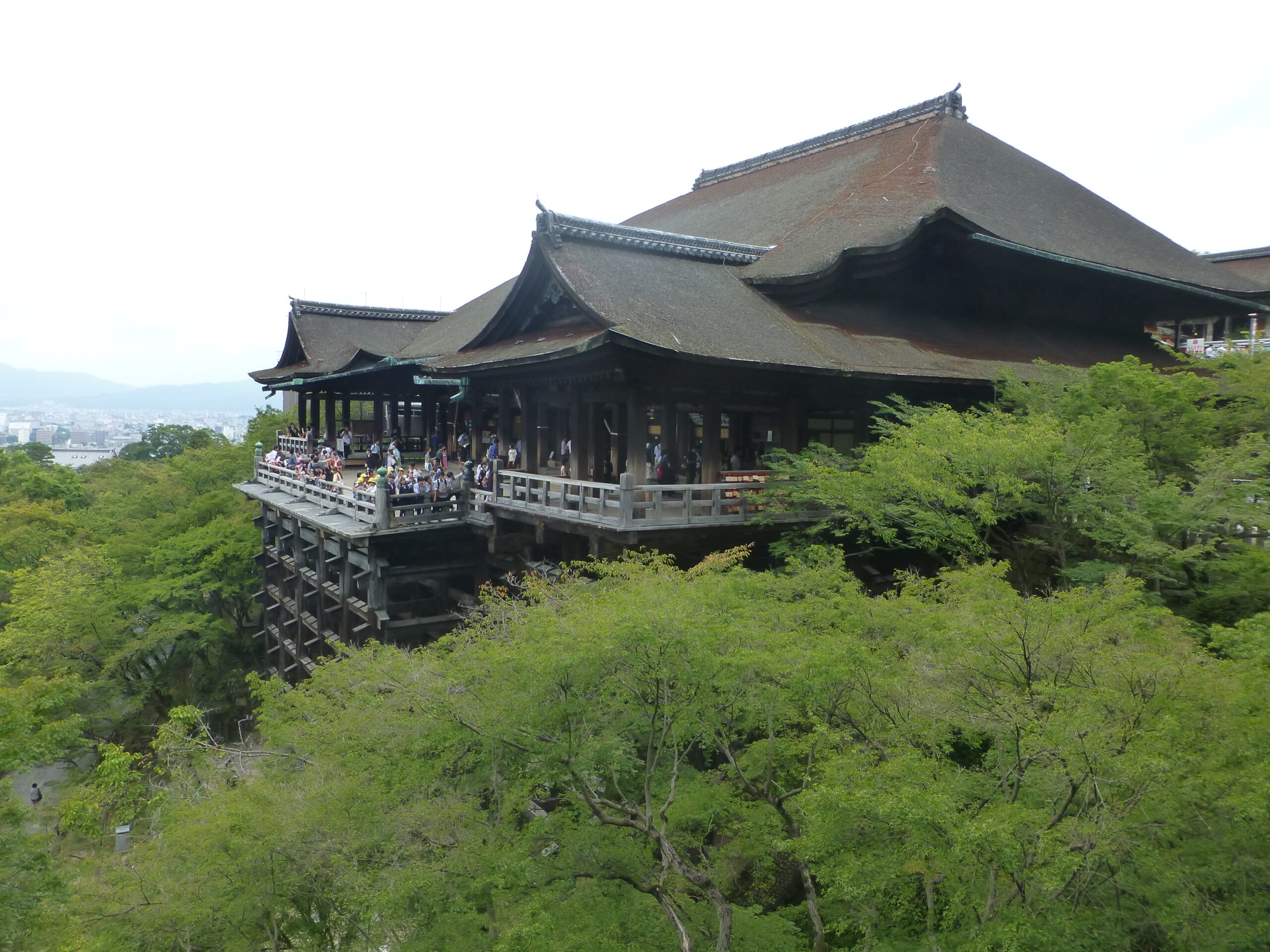
| 6: Main sightseeing day | Museum, shopping or neighbourhood day selected around opening hours. Tokyo night 6. | Kiyomizu-dera and nearby Higashiyama streets; lunch; substantial afternoon break. Kyoto night 2. |
| 7: Final full day | Revisit a favourite area or use this as a weather-recovery day. Tokyo night 7. | Choose one additional Kyoto area, not a multi-city excursion; rest and pack. Kyoto night 3. |
| 8: Departure | Check out and travel to your Tokyo airport. | Check out and follow a separately checked transfer to Kansai International Airport. |
The split deliberately excludes Osaka sightseeing, Nara and an additional overnight stop. Add one only by removing something else.
Tokyo-only gives you two additional days without intercity logistics. Use that flexibility for specific interests, slower mornings or weather changes—not simply a longer checklist.
3. Give the Tokyo–Kyoto move most of a morning
JR Central’s basic timetable effective March 14, 2026 lists Nozomi 243 departing Tokyo at 09:00 and reaching Kyoto at 11:12. That is a useful illustration of train time, but it is not your hotel-to-hotel journey. Recheck the service for your date; JR Central notes that its basic timetable does not list every train. (global.jr-central.co.jp)
For a comparable morning departure, use these editorial planning allowances:
| Transfer task | Suggested allowance |
|---|---|
| Final packing and check-out | 20–30 minutes |
| Hotel to the correct Shinkansen station entrance | 30–60 minutes |
| Finding gates, facilities and the platform | 30 minutes |
| Train journey in the timetable example | 2 hours 12 minutes |
| Kyoto platform to hotel, including bag drop | 30–60 minutes |
That produces roughly four to five-and-a-half hours before lunch, depending on hotel locations. These allowances are not measured journey times; replace them with your own route.
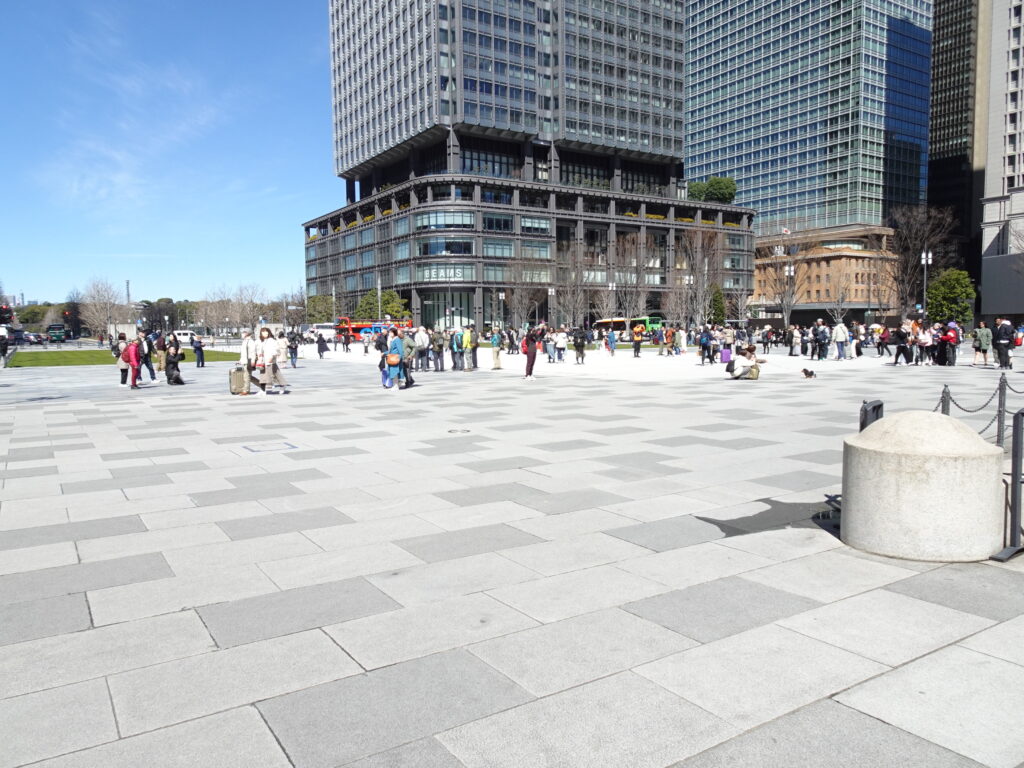
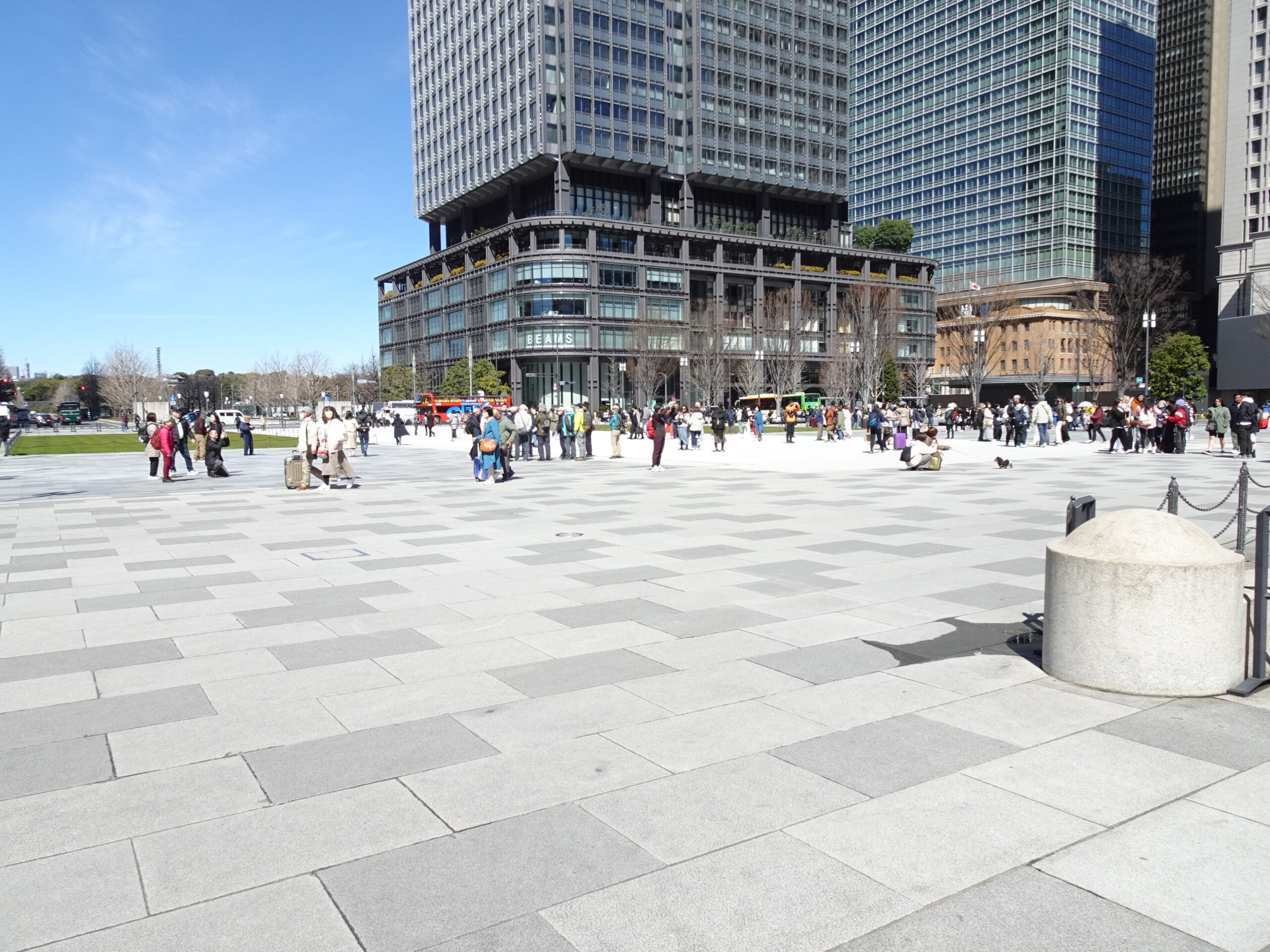
Check the hotel’s walking directions, station entrance and lift access rather than relying solely on its distance from “Tokyo Station” or “Kyoto Station.”
Keep the first Kyoto afternoon flexible. Do not prepay for an attraction immediately after arrival. An early train can create breathing room, but it should not require sacrificing the previous night’s sleep.

4. Compare complete transport costs and restrictions
For two adults travelling one way from Tokyo to Kyoto:
| Option | Published price basis | Two-adult total | Main qualification |
|---|---|---|---|
| smartEX Nozomi reserved seats | JPY 13,970 per adult, ordinary class, regular season | JPY 27,940 | Seasonal adjustments apply. |
| EX Hayatoku 21 | JPY 12,430 per adult in the fare table effective March 13, 2026 | JPY 24,860 | Limited availability and advance-purchase restrictions. |
| Seven-day Ordinary JAPAN RAIL PASS, official online purchase | JPY 50,000 per adult | JPY 100,000 | Requires eligibility; Nozomi use needs an additional special ticket. |
The standard and advance fares come from smartEX; the pass price is the official online price, not a universal agency price. (smart-ex.jp)
EX Hayatoku 21 saves JPY 3,080 for the pair against the regular-season smartEX example. However, it must be booked by the applicable deadline at least 21 days ahead, has exclusion dates and cannot simply be changed to another train. Local conventional-line connections cost extra. Choose it only if that saving justifies the restrictions. (smart-ex.jp)
For this route alone, the national pass is not the economical starting point. Even two regular-season smartEX Nozomi journeys per person would total JPY 55,880 for the pair, below the JPY 100,000 online pass total—before any Nozomi supplement. Additional eligible journeys would need their own calculation. (smart-ex.jp)
For local travel:
- Tokyo: The Tokyo Subway Ticket currently lists adult prices of JPY 1,000/1,500/2,000 for 24/48/72 hours and covers Tokyo Metro and Toei Subway lines—not every railway. (tokyometro.jp)
- Kyoto: Ordinary city-bus trips within the flat-fare zone cost JPY 230; sightseeing limited-express buses have a different fare. The Subway & Bus 1-Day Pass costs JPY 1,100 and is a calendar-day product, not a rolling 24-hour ticket. (www2.city.kyoto.lg.jp)
Four ordinary JPY 230 bus rides total JPY 920; five total JPY 1,150. Compare your actual eligible trips before buying a pass. Do not add unnecessary journeys to “get your money’s worth.” (www2.city.kyoto.lg.jp)
5. Test your spending limit before choosing hotels
A useful comparison does not require pretending that an undated hotel rate is bookable.
Here is a worked budget-envelope example prepared November 29, 2026. These are chosen spending limits—not researched hotel prices, meal-price estimates or airport-transfer quotes.
Assume the couple sets:
- JPY 300,000 total ground budget, excluding international flights, insurance and shopping.
- JPY 12,000 per calendar day for both adults’ food, local travel and admissions: JPY 96,000 across eight days.
- JPY 20,000 provisional airport-transfer reserve, to replace with actual fares.
- JPY 20,000 contingency, kept separate from ordinary spending.
The hotel balance becomes:
| Budget calculation | Tokyo-only | Tokyo + Kyoto |
|---|---|---|
| Starting ground-budget ceiling | JPY 300,000 | JPY 300,000 |
| Eight-day spending envelope | −96,000 | −96,000 |
| Provisional airport-transfer reserve | −20,000 | −20,000 |
| Contingency | −20,000 | −20,000 |
| One-way intercity rail for two | — | −27,940 |
| Maximum remaining for seven hotel nights | JPY 164,000 | JPY 136,060 |
| Average all-in room-night ceiling, rounded down | JPY 23,428 | JPY 19,437 |
The rail deduction uses the published regular-season smartEX example. All other inputs are adjustable budget choices. The daily envelope is not a guarantee that your preferred restaurants and attractions will fit. (smart-ex.jp)
Search for rooms using those ceilings, including mandatory charges. If suitable rooms exceed the remaining balance, revise the route or increase the budget before making non-refundable commitments.
Kyoto’s accommodation tax changed on March 1, 2026. For example, a taxable lodging charge of JPY 6,000–19,999 per person per night attracts JPY 400 tax. Two adults over three nights would therefore owe JPY 2,400, unless already included. The city excludes meals and consumption tax from the taxable lodging charge and includes relevant service charges. (city.kyoto.lg.jp)
Finally, replace both airport reserves with real quotes. Compare the complete international airfare and ground-transfer totals for Tokyo return versus Tokyo arrival/Kansai departure; do not assume either flight arrangement is cheaper.
6. Settle luggage and hotel terms before departure
Measure each suitcase’s length + width + height, including protruding parts.
JR Central requires a seat with an oversized-baggage area for ordinary luggage exceeding 160 cm and up to 250 cm in combined dimensions. Reserving that space adds no charge to the corresponding reserved seat. Bags over 250 cm cannot be brought aboard under the published rules. (global.jr-central.co.jp)
For this itinerary, carrying manageable bags avoids introducing a delivery deadline. If you prefer forwarding luggage, obtain a route-specific price and confirmed delivery date, and pack essentials separately. Do not assume same-day hotel-to-hotel delivery.
Ask both hotels:
- Can bags be stored before check-in and after check-out?
- What time can you actually enter the room?
- Will the hotel accept forwarded luggage?
- Are accommodation taxes included?
- What are the cancellation deadline, charge and no-show terms?
Policies are property-specific. For example, Hotel Metropolitan Tokyo Marunouchi publishes 15:00 check-in, noon check-out and luggage storage before and after the stay. Its general cancellation page lists a 100% charge from the day before arrival. This is a terms example, not a hotel-price recommendation or a policy for every Japanese hotel. Check the conditions attached to your chosen rate. (tokyo-marunouchi.hotel-metropolitan.com)
7. Check opening hours—and decide what you will skip
Shinjuku Gyoen is a good example of why a flexible schedule matters. Its official admission page lists JPY 500 adult admission. From October 1 to March 14, opening hours are 09:00–16:30, with last entry at 16:00. It normally closes Mondays, with holiday and seasonal exceptions, and closes December 29–January 3. Put it in a morning block and verify the calendar. (policies.env.go.jp)
Kiyomizu-dera opens at 06:00, but closing times vary by season and special events. The temple also warns that some mapping-app routes do not reach its entrances. Check its official access directions and allow for the approach rather than treating the bus stop as the entrance. (kiyomizudera.or.jp)
Before paying, make these final checks:
- No arrival-day timed ticket that depends on a punctual flight.
- No major attraction immediately after the intercity train.
- No assumption that room access starts at bag-drop time.
- No extra city added without removing another activity.
- No Kyoto-to-Tokyo airport connection treated as a risk-free extension. If your flight leaves Tokyo, consider a final Tokyo night and rebuild the night allocation.
- At least one optional activity you are genuinely willing to skip.
Choose the split if Kyoto is a priority and the full cost fits without consuming your contingency. Choose Tokyo-only if the second city requires tighter hotel limits, hurried transfers or constant early starts. Seven nights can support two cities—but the successful version leaves room to stop.